
USDA Loans in Multnomah County, Oregon
Buying a home with little or no down payment can provide opportunities for buyers that otherwise may not be able to become homeowners.
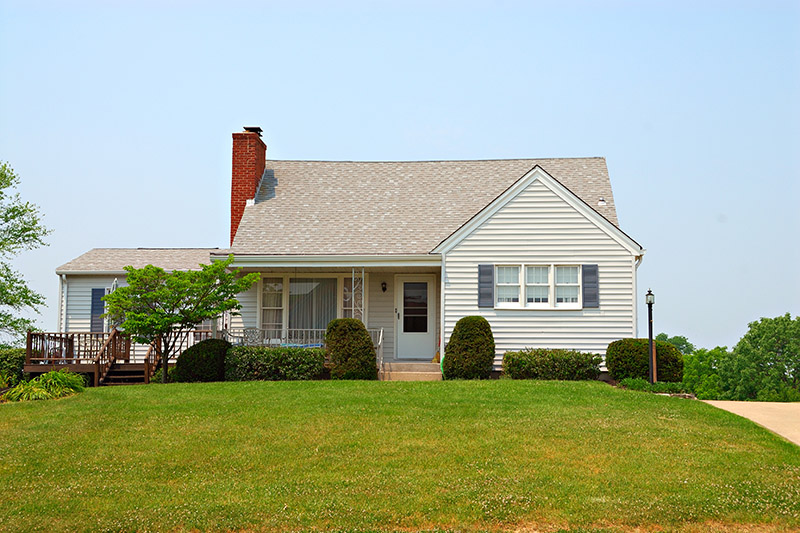
Understanding USDA Loans for Multnomah County Buyers
A USDA loan in Multnomah County may allow an eligible buyer to purchase a qualifying primary residence with no down payment. I’m Michael King, and I help buyers review property eligibility, household income rules, credit, and closing costs before they make an offer. This government-backed mortgage can be useful outside the urban core, but both the borrower and the property must meet current 2026 USDA guidelines.
Key Takeaways
- Down Payment: USDA loans generally provide 100% financing for eligible borrowers and properties.
- Property Location: The home must be inside an area currently designated as eligible by USDA.
- Household Income: USDA considers household income, which can include income from certain adults who will not be on the loan.
- Occupancy: The property must be your primary residence rather than a rental, vacation home, or second home.
- Loan Fees: A USDA mortgage includes upfront and annual guarantee fees based on the current 2026 schedule.
- Property Condition: The appraisal must support the value and show that the home meets USDA safety and livability standards.
Common Questions About USDA Loans
USDA loans combine zero-down financing with specific income, occupancy, and geographic requirements. Here are direct answers to the questions I hear most often from buyers.
- What is a USDA loan? It is a government-backed mortgage for an eligible primary residence in a designated rural or suburban area. The USDA guarantee reduces lender risk, but it does not eliminate underwriting requirements.
- Who may qualify for USDA financing? Buyers generally need stable qualifying income, acceptable credit, manageable monthly debts, and household income within the current USDA limit for the property area and household size.
- How much down payment is required? The USDA program generally allows 0% down. You should still plan for closing costs, prepaid taxes, homeowners insurance, inspections, and any required reserves.
- Can I use a USDA mortgage for a fixer-upper? A home must meet required condition standards before closing unless an applicable USDA renovation option is available. A property with major structural, electrical, roof, water, or septic issues may not work with standard USDA financing.
- Do I need excellent credit? No single score guarantees eligibility or approval. Credit history, housing payments, debt, income stability, and the lender’s current underwriting requirements are all considered.
- Is USDA financing only for first-time buyers? No. First-time and repeat buyers may be eligible, although buyers who already own an adequate home can face additional restrictions. New buyers can also compare available first time home buyer programs.
- How long does the process take? Timing depends on appraisal access, underwriting, property condition, and whether a separate USDA review is required. I recommend building more flexibility into the contract than you might use for a straightforward conventional file.
- Can a veteran choose USDA instead of VA? Yes, but eligible veterans should compare both programs carefully. A VA home loan may offer 0% down without USDA geographic or household-income restrictions.
How USDA Loans Work
A USDA purchase moves through borrower qualification, address verification, appraisal, underwriting, and final program review. Each step matters because approval depends on both your financial profile and the property.
- Review Your Financial Picture: Let’s run some numbers using your income, monthly obligations, credit history, available funds, and expected housing payment. I also review household composition because USDA annual-income calculations can differ from the income used to repay the loan.
- Check Current Program Eligibility: I compare your household income with the applicable 2026 limit and review the target area on the current USDA eligibility map. Limits and maps can change, so an old listing description is not enough to establish eligibility.
- Prepare the Loan File: You provide recent income, asset, employment, identification, and housing documents. Self-employment, overtime, bonuses, support income, or multiple jobs may require additional history before that income can be used.
- Verify the Property Before Offering: I recommend checking the exact street address, not just the ZIP code or town name. Two nearby homes can receive different eligibility results when a map boundary runs through the same sub-market.
- Complete Appraisal and Underwriting: The appraiser evaluates market value and reports observable condition concerns. Underwriting then reviews your documentation, debts, credit, funds to close, appraisal, title work, and program compliance.
- Clear Conditions and Close: You may need to provide updated statements, explain a deposit, document a debt, or address a property repair. Once all required reviews are complete, final documents can be prepared, but approval and timing always depend on the specific file.
When a USDA Mortgage May Make Sense
A USDA mortgage may be a good fit if you plan to occupy an eligible home and want to preserve cash instead of making a large down payment. It often works well for first-time buyers, veterans comparing government-backed programs, and move-up buyers whose household income remains within current limits. In my experience, the strongest USDA scenarios involve stable income, manageable debts, a property in good condition, and enough savings for inspections and closing expenses even though the down payment is 0%.
Other financing should be considered when the home is outside an eligible area, household income exceeds the limit, or the property needs substantial work. An FHA home loan permits a 3.5% minimum down payment and does not use USDA location maps, while conventional financing may provide more flexibility for certain property types. Investors cannot use USDA financing because it requires primary occupancy, so they should review investment property loans instead.
USDA Mortgage Costs, Fees, and Timing
Zero down does not mean zero cash needed at closing. A buyer may still pay for the appraisal, home inspection, title and escrow services, lender charges, prepaid interest, homeowners insurance, and property-tax reserves. Seller credits may help with permitted expenses, but they must comply with current program rules and the negotiated contract.
USDA financing also includes an upfront guarantee fee and an annual fee under the current 2026 schedule. The upfront fee can generally be financed when the completed loan remains within program requirements, while the annual fee is normally collected through the monthly payment.
For example, on a $400,000 purchase with 0% down, the starting base loan would generally be $400,000 before any financed guarantee fee. If closing costs and prepaid items were approximately $9,000, the buyer would need verified funds, permitted seller credits, or another eligible source to cover that amount; actual costs can be higher or lower.
| Feature | USDA Loan | FHA Loan | Conventional Loan |
|---|---|---|---|
| Typical Minimum Down Payment | 0% for eligible transactions | 3.5% | Often 3% or more, subject to program |
| Location Restriction | USDA-eligible areas only | No USDA map restriction | No USDA map restriction |
| Income Limit | Household income limits apply | No program household-income cap | Varies for certain products |
| Mortgage-Related Fee | Upfront and annual guarantee fees | Upfront and annual mortgage insurance | Private mortgage insurance may apply |
| Occupancy | Primary residence | Primary residence | Primary, second home, or investment options |
| Closing Timeline | May require added review time | Depends on file and property | Depends on file and property |
Rates vary with the market, loan profile, and lender pricing, so USDA is not automatically less expensive than every alternative. What I typically see is that comparing the full payment, guarantee fees, cash to close, and long-term plan gives a clearer answer than comparing the interest rate alone.
Common USDA Loan Mistakes to Avoid
Most USDA problems come from checking eligibility too late or assuming that no down payment means no documentation or cash is required. These mistakes can delay underwriting or change the available loan options.
- Relying on a General Area Description: A real estate listing may call a home USDA eligible without verifying the address. Check the current map before writing the financing terms into your offer.
- Leaving Out Household Income: USDA annual income can include earnings from an adult household member who is not applying for the mortgage. That income may not help qualify the payment, but it could affect household eligibility.
- Moving Money Without a Paper Trail: If a relative transfers $8,000 into your account shortly before underwriting, the deposit may need to be documented as an eligible gift rather than treated as unexplained savings. Keep statements and transfer records before moving funds.
- Ignoring Property Defects: Peeling exterior paint, a damaged roof, missing stair rails, or a failed well or septic test may require correction. Discuss visible concerns before paying for the appraisal.
- Opening New Credit Before Closing: A vehicle loan, credit card, or financed furniture purchase can raise your monthly obligations. Underwriting may recheck credit and debts before funding.
- Comparing Only the Down Payment: USDA may require less cash up front, but fees, monthly payment, location rules, and long-term ownership plans still matter. Here is what I can offer you: a side-by-side review with no surprises later.
Local Considerations for Multnomah County
USDA property eligibility becomes more address-specific as you move from Portland’s dense neighborhoods toward the county’s eastern and rural edges. Homes around Corbett, the Columbia River Gorge, Troutdale, and parts of the Gresham-area market should be checked individually because nearby addresses may fall on opposite sides of an eligibility boundary. Sauvie Island properties can also involve acreage, wells, septic systems, flood considerations, and access issues that require added review.
Local buyers may earn income from Columbia River logistics, manufacturing, healthcare, construction, or Portland-area employers while shopping farther east for more space. What I typically see is that rural acreage, private roads, manufactured housing, steep terrain, and older septic systems can affect appraisal or property eligibility even when the address itself is acceptable.
Ready to Explore a USDA Loan?
I can help you compare USDA financing with FHA, VA, and conventional choices based on your actual purchase plan. Let’s run some numbers, verify the address, and review the expected payment and cash to close before you make a decision. Get started with Michael King today (NMLS #274357) by using my Get Started page.
This is educational content and not financial advice. Loan programs and guidelines can change. Talk with a licensed mortgage professional about your specific scenario.
Surf our website to learn about our company, see our loan programs, and request a free consultation.
Get started today!
Fill out the questionnaire on this page to start a discussion about your mortgage needs today!