First-Time Home Buyer Guide: FHA vs. Conventional Mortgages

Buying your first home is exciting, but sorting through the mortgage options can feel like a lot to take in.
FHA and conventional loans are two of the most common options for first-time homebuyers, each with their own set of requirements, down payment options, and benefits.
In this guide, I’ll lay out what makes FHA and conventional mortgages different, what you need to qualify, and how to decide which program fits your goals.
Key Takeaways
- Purpose: FHA and conventional loans both help first-time buyers finance a home with flexible down payment options.
- Eligibility: FHA loans often have more forgiving credit and down payment requirements; conventional loans typically reward stronger credit and bigger down payments.
- Mortgage Insurance: FHA loans require two types of mortgage insurance; conventional loans require it if your down payment is below a certain threshold, but it can be removed later.
- Best For: Buyers with lower down payments, building credit, or looking for flexibility (FHA); those with strong credit, higher down payments, or interested in avoiding long-term mortgage insurance (conventional).
Quick Answers: FHA vs. Conventional Loans
- Which is easier to qualify for? FHA loans usually have more flexible standards for credit and down payment.
- Can I buy with less than 20% down? Yes, both FHA and many conventional loans allow down payments lower than 20%.
- Is mortgage insurance required? FHA always requires it. Conventional loans often require it if your down payment is less than 20% but can be removed when you reach enough equity.
- What about credit score? FHA works with borrowers with limited or lower credit. Conventional loans typically look for higher scores for best rates.
Understanding FHA and Conventional Loans
At Michael King (NMLS# 274357), I work every day with buyers around Multnomah, Clackamas, Washington, Clark, and King Counties who want to understand how these options really stack up. Let’s run some numbers and walk you through the basics.
FHA loans are government-backed mortgages that are insured by the Federal Housing Administration. They’re designed to help buyers who may not have perfect credit or a large down payment.
Conventional loans are not government-backed. They are offered by private lenders and typically follow guidelines set by Fannie Mae and Freddie Mac. These loans usually reward stronger credit and higher down payments.
Down Payment: What’s Realistic?
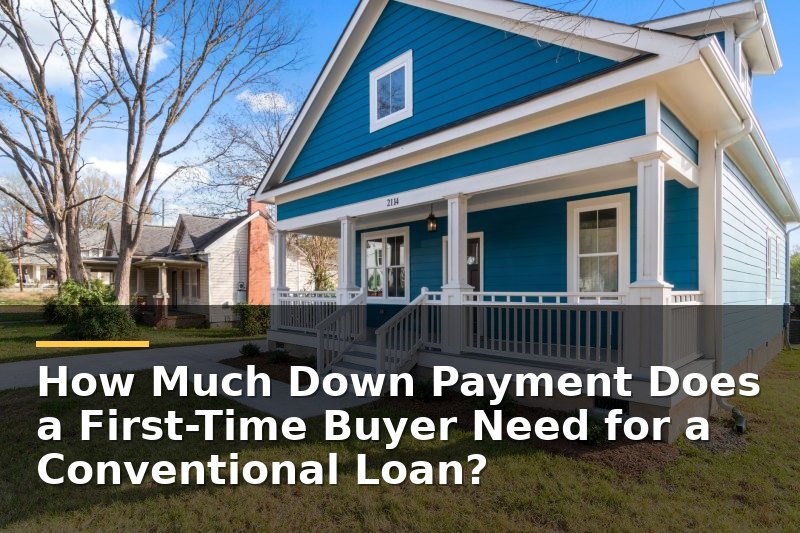
– FHA loans let you buy with as little as 3.5% down, depending on your credit. That can help get you into a home sooner if saving a larger down payment is a hurdle.
– Conventional loans typically allow down payments as low as 3% for first-time buyers, but you’ll need a stronger credit profile for those programs. With 20% down, you can avoid mortgage insurance entirely.
Credit Requirements: How Flexible Are They?
– FHA loans are more forgiving of past credit challenges and shorter credit history. This can open doors for buyers who are still building credit or have had setbacks.
– Conventional loans generally want higher credit scores for the best terms. If your credit is solid, you may find conventional rates and terms very attractive.
Mortgage Insurance: What Will You Pay and For How Long?
– FHA: You’ll pay both an up-front mortgage insurance premium and ongoing monthly mortgage insurance on an FHA loan. This applies regardless of your down payment and may last for the full loan term.
– Conventional: If your down payment is under 20%, private mortgage insurance (PMI) applies. The cost depends on your credit and down payment size, but the good news is PMI can be dropped after you build enough equity.
Loan Limits & Eligible Properties
– Both FHA and conventional loans set maximum loan amounts that change by county and may adjust each year. It’s important to check current limits for your area.
– FHA may have additional requirements for property condition, while conventional loans give a bit more flexibility for various property types.
Side-by-Side: FHA vs. Conventional Loans
| Feature | FHA Loan | Conventional Loan |
|---|---|---|
| Minimum Down Payment | 3.5% (if you qualify) | 3% for some first-time buyers |
| Mortgage Insurance | Always required, lasts for the loan term (unless you refinance) | Required below 20% down, can be removed later |
| Credit Score Flexibility | More flexible, suited for those building or repairing credit | Higher scores often needed for best pricing |
| Property Restrictions | Stricter on property condition | Typically more flexible |
| Who Should Consider? | First-timers, lower down payment, flexible credit | Buyers with good credit, larger down payment, or aiming to avoid PMI long-term |
How to Choose: FHA or Conventional?
No surprises later, here is what I can offer you:
– If your down payment is limited or your credit’s still a work in progress, FHA is often the more forgiving route.
– If you have solid credit and a bigger down payment (especially 20% or more), conventional may save you money over the life of the loan.
Many first-time buyers start with FHA and later refinance into a conventional loan once they’ve built equity or improved credit. Either way, it helps to go over your scenario and compare both options before you make an offer.
What About Other Loan Types?
FHA and conventional are the two most common for first-time buyers, but there are other programs out there, especially if you:
– Qualify for VA benefits as a Veteran
– Are looking at properties in more rural areas (USDA loans)
– Need a non-traditional qualification like a bank statement loan program or a DSCR loan for investment properties
To see a full menu of options, you can check the loan options page.
What to Expect: The Process Step by Step
1. Pre-Approval:
Start with a lender pre-approval to find out where you stand. This sets your realistic price range and highlights which loan programs fit your profile.
2. Home Search:
With your budget and loan options clear, you can shop smarter and act fast when you find the right property.
3. Offer & Acceptance:
Once your offer is accepted, you lock in the details: loan type, rate, and terms.
4. Processing & Appraisal:
Your lender will order an appraisal and finalize your application. FHA appraisals may require repairs; conventional can be more flexible.
5. Closing:
Review documents, sign, fund, and get your keys.
Is There a Right Answer?
It really comes down to your goals, your current finances, and your long-term plan. FHA and conventional both offer advantages, but what works best for you could depend on small differences in your scenario. It’s always smart to compare the numbers and see where you land—sometimes the difference in monthly payment or total cost over a few years can be surprising.
Next Steps
If you’re looking at homes around the Portland metro—whether that’s Multnomah, Clackamas, Washington, Clark, or King County—let’s review your options together. Reach out to me by call, text, or email. We’ll go over your unique situation, clarify which first-time buyer programs fit, and map out your best steps for pre-approval. That way you’re confident with your numbers at every step.
Frequently Asked Questions
Do I need perfect credit to qualify for a conventional loan?
No, but you typically need a stronger credit profile than with FHA. Higher scores will get you better pricing and more loan options, but there are programs for a range of credit situations.
How do I remove mortgage insurance from my loan?
With a conventional loan, private mortgage insurance can be removed once you reach the required equity threshold. For FHA, mortgage insurance usually lasts for the full loan term unless you refinance into a conventional loan.
Can I use gift funds for my down payment?
Yes, both FHA and most conventional loans allow gift funds from allowed sources to be used toward your down payment and closing costs. Lenders will ask for documentation, so be sure to plan ahead.
Are there homebuyer education requirements?
Some first-time buyer programs or down payment assistance options require homebuyer education. It's straightforward to complete online and helps set realistic expectations for homeownership.
Does it matter which county I buy in for loan programs?
Yes, loan limits and some program availability can vary by county in Oregon and Washington. It's important to verify the details based on where you're looking to buy and check with your lender for up-to-date info.
This is educational and not financial advice. Loan programs and guidelines can change. Talk with a licensed mortgage professional about your specific scenario.

Michael King
Michael has helped over 3,000 families finance their dream home or refinance across Oregon and Washington.
Related Posts