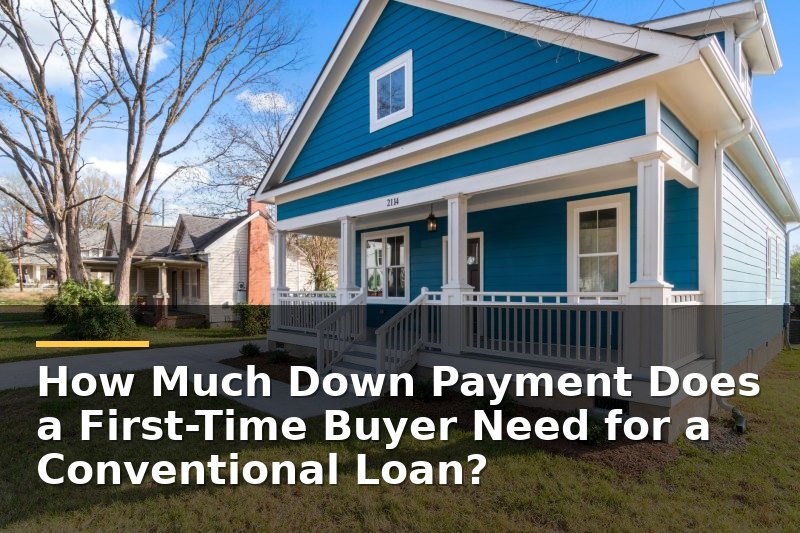
First Time Home Buyer Mortgages: Comparing FHA and Conventional Loan Options
Buying your first home is a big step, and there’s a lot to sort through—especially when you’re feeling the weight of these decisions. FHA loans are government-backed mortgages with flexible qualification rules, while conventional loans follow stricter standards but may offer better long-term savings depending on your scenario. In this article, I’ll break down the differences, who each program is built for, and what you can expect along the way in Multnomah County and the surrounding areas.
Key Takeaways
- Purpose: FHA and conventional loans help first-time buyers finance a home with different qualification standards and benefits.
- Down Payment: FHA often allows as little as 3.5% down, conventional as low as 3% depending on the situation.
- Credit: FHA is more forgiving toward lower scores; conventional loans reward higher credit.
- Mortgage Insurance: FHA always requires mortgage insurance; conventional may not with larger down payments.
- Best For: First time buyers, those with steady income but limited savings or credit, and anyone wanting clarity on options.
Quick Answers: FHA vs. Conventional Loans
- Do I need perfect credit? No. FHA loans offer flexibility if your score isn’t ideal; conventional loan rates improve with higher credit.
- Is a big down payment required? Not always. FHA can go down to 3.5%, and some conventional loans allow 3% for qualified first-time buyers.
- Can I get gift funds? Yes. FHA and many conventional programs allow gift funds for down payment or closing costs.
- Will I need mortgage insurance? FHA loans require it for most borrowers; conventional loans may drop it with a higher down payment.
- What about closing costs? Both programs have closing costs; your seller can sometimes help cover part of them.
How FHA Loans Work for First Time Buyers
FHA loans are backed by the Federal Housing Administration, designed to help buyers who may have a shorter credit history or less saved up for a down payment. Here’s the main idea—FHA lets you buy with as little as 3.5% down, and sometimes accepts credit scores a bit lower than a conventional lender would.
The catch is mortgage insurance. FHA loans have a required upfront insurance premium plus a monthly cost that stays for the life of the loan unless you refinance into something else. The idea here is to make homeownership possible, not to lock you into one option forever.
FHA loans are especially popular among first time buyers across Multnomah, Clackamas, and Washington counties because they allow flexibility for life changes, job moves, or if you’ve had a bumpy road with credit. If you’re a veteran, there are often even better programs, but FHA is a solid pathway for many.
For more on FHA, check out our detailed FHA home loan guide.
Key FHA Highlights
- Low minimum down payment
- Forgiving credit requirements
- Gift funds and grants allowed
- Upfront and monthly mortgage insurance required
- Loan limits vary by county
How Conventional Loans Compare
Conventional loans aren’t government-backed, but instead follow guidelines from Fannie Mae and Freddie Mac. These loans are widely used and often feature lower overall lifetime costs for borrowers with strong credit, robust income, and a decent down payment.
With a conventional loan, rates and mortgage insurance costs are more tightly tied to your credit score and down payment size. Let’s run some numbers—if you have 20% down, mortgage insurance drops off entirely. Even at lower down payments (3-5%), you may still pay monthly mortgage insurance, but it can be removed once you hit that 20% equity threshold.
Competition for conventional rates is also strong. If your score is solid, conventional may lower your payment and long-term out-of-pocket. I always want to put options on the table, so you see what each scenario actually means for you, no surprises later.
Read more about key options in the conventional loan menu.
Conventional Loan Highlights
- As low as 3% down for qualified buyers
- No upfront mortgage insurance, but monthly PMI with less than 20% down
- Mortgage insurance drops off as you build equity
- Higher credit means lower rates and lower PMI
- Wider variety of property types and scenarios
What About Rates in Multnomah County?
Rates for both FHA and conventional loans will shift over time, and can vary day to day. FHA rates can sometimes be a touch lower, but with the added mortgage insurance, the final monthly payment might not always win out over a conventional loan if your credit is strong.
The approach I take—and I recommend this for anyone, especially first time buyers—is to compare both side by side. That goes for homes in Portland, Gresham, Beaverton, Vancouver, and into King County as well. Your story and numbers are unique, and I’m happy to walk through them with you.
Qualification Basics for First Time Buyers
Let me give you a quick breakdown of what lenders typically look for:
- Credit score: Most FHA programs will consider buyers with lower scores, whereas conventional options reward a stronger credit profile.
- Down payment: FHA often starts at 3.5%. Some conventional programs begin at 3% for qualified first time buyers. Larger down means better terms across the board.
- Debt-to-income ratio: Both FHA and conventional programs will look at your total debts versus your income. FHA can allow for a little more flexibility here.
- Documentation: Be ready to provide tax returns, pay stubs, and account statements. If your income is less traditional, we have options for bank statement loans and self-employed buyers too.
If you want to review more niche programs, such as the bank statement loan program, I’m always happy to discuss the details to see if it matches your needs.
Comparing Mortgage Insurance: How It Affects Long-term Costs
Mortgage insurance is a top question, and for good reason—it’s a cost you need to plan for if you’re putting less than 20% down. FHA requires both upfront and monthly mortgage insurance, which won’t drop off automatically. Conventional loans may require PMI if you’re below 20% equity, but this can come off once you get there.
For many first time buyers, the lower down payment outweighs the insurance cost, but if your situation allows a bigger down payment or a higher credit score, a conventional loan can save money in the long run. Here is what I can offer you: an honest comparison of both so you can see exactly how each impacts your payment—not just at closing, but all the way through.
Process Timeline and What to Expect
From pre-approval to closing, most FHA and conventional deals flow on a similar timeline—typically 30 days give or take, depending on how quickly documentation comes together. The biggest piece is getting pre-approved, which lets you shop with confidence. After an offer is accepted, we order the appraisal, finalize underwriting, and coordinate closing.
The process works the same whether you’re in Multnomah, Clackamas, Washington, or Clark County. My goal is to keep things moving and transparent, so you’re always in the loop.
How I Can Help You Decide
I started in mortgages nearly three decades ago for one clear reason: clients deserved clarity, not pressure. At Michael King (NMLS# 274357), I’m all about the straight-forward approach—listening to your needs, walking through all the key numbers, then giving you options in plain language. Whether you’re a first time buyer, veteran, investor, or moving up in the Portland area, I’m here to make things simple so you can move forward with confidence.
If you’d like, we can run side-by-side numbers for your situation, talk through loan programs, or set you up with a clear pre-approval plan.
Next Steps: Let’s Review Your Scenario
Buying that first home shouldn’t feel like a guessing game. If you want someone who listens first and explains second, reach out by phone, text, or email. I’ll walk you through your options—FHA, conventional, and specialty loans—so you know exactly where you stand and what to expect next. No surprises later.
Get in touch if you want to compare mortgage options, review rates, and plan your pre-approval.
Frequently Asked Questions
Can I qualify for an FHA loan if my credit is less than perfect?
Yes, FHA loans are designed to help buyers with moderate or limited credit history. Lenders typically accept lower credit scores compared to most conventional loans.
How much do I need for a down payment on my first home?
FHA loans require as little as 3.5% down, while conventional loans can go as low as 3% for eligible first-time buyers. Minimums may vary, so it's best to review your scenario with a lender.
Do FHA and conventional loans both have mortgage insurance?
Yes. FHA loans require mortgage insurance for most borrowers over the life of the loan. Conventional loans require private mortgage insurance (PMI) when putting less than 20% down, but it can be removed as you build equity.
Which loan is better for first time buyers?
There’s no single answer—FHA loans help buyers with lower credit or smaller down payments, while conventional loans may have lower long-term costs for those who qualify. Comparing both side-by-side is the best way to see what fits.
Can I use gift funds for my down payment?
Yes. Both FHA and many conventional loan programs allow you to use gift funds from an approved source to help with down payment or closing costs, as long as documentation requirements are met.
This is educational and not financial advice. Loan programs and guidelines can change. Talk with a licensed mortgage professional about your specific scenario.

Michael King
Michael has helped over 3,000 families finance their dream home or refinance across Oregon and Washington.
Related Posts