
Fix & Flip Home Loans in Multnomah County, Oregon
Get the financial backing you need to turn a property with potential into a real gem. Discover our Fix & Flip home loans today.
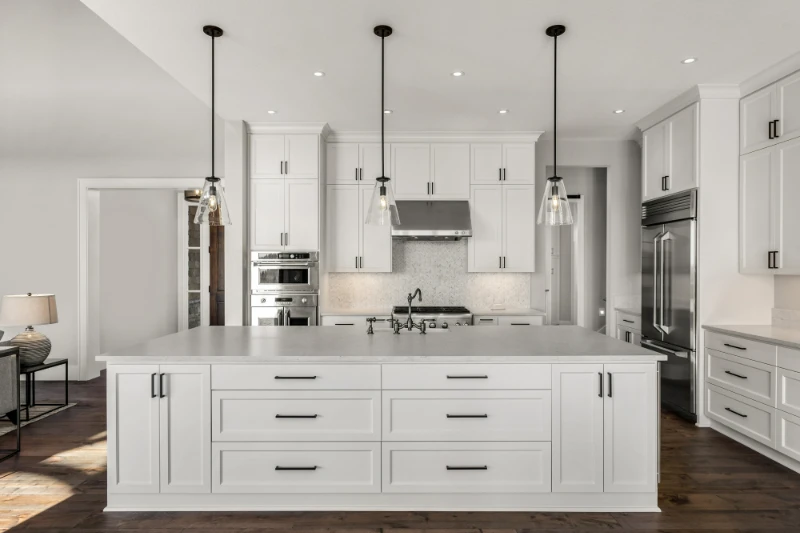
A Fix & Flip Home Loan in Multnomah County is short-term financing used to purchase, renovate, and resell an investment property. I’m Michael King, and I help local investors review the purchase price, renovation budget, after-repair value, cash requirements, and exit plan before they commit to a project. Lets run some numbers so you can see whether the property and financing make sense together.
Key Takeaways
- Business-purpose financing: Fix and flip loans are generally intended for non-owner-occupied properties purchased for renovation and resale.
- Property-based review: The lender usually evaluates the purchase price, renovation scope, current condition, projected value, and borrower experience.
- Short loan term: Most programs are structured around a defined renovation and resale timeline rather than long-term ownership.
- Renovation draws: Construction funds are commonly released after completed work is inspected instead of being provided entirely at closing.
- Higher financing costs: Rates, origination charges, and servicing costs are typically higher than conventional owner-occupied financing.
- Exit plan required: A credible sale or refinance strategy is important because the balance becomes due at the end of the loan term.
Common Questions About Fix & Flip Loans
Fix & Flip Home loans combine acquisition and renovation financing, but program details vary considerably by lender and property.
- What is a Fix & Flip Home mortgage? It is usually a short-term, business-purpose loan secured by a property you plan to improve and sell. Unlike a standard mortgage, the lender may place substantial weight on the project’s after-repair value, commonly called ARV.
- Who may be considered for this financing? Both experienced investors and first-time flippers may be considered, although newer investors can face larger equity or reserve requirements. Credit, liquidity, contractor plans, and the strength of the transaction all matter.
- How long does the process take? A well-documented file may close faster than a traditional residential mortgage, but appraisal complexity, title issues, insurance, entity documents, and an incomplete renovation budget can extend the timeline.
- Can I live in the property during construction? Generally, no. Most fix and flip programs are designed for non-owner-occupied investment properties, so an owner-occupied rehab loan may be more appropriate if you plan to make the home your primary residence.
- Do I need previous renovation experience? Not always, but experience can affect leverage, pricing, reserves, and documentation. A first project may receive more conservative terms or require a qualified general contractor.
- Is the entire renovation budget advanced at closing? Usually not. Renovation funds are often held in an escrow account and reimbursed through draws after inspections confirm that specific work has been completed.
- How is the maximum loan amount determined? Lenders commonly apply limits to the purchase price, total project cost, and ARV. The lowest result under the lender’s formulas may control the final loan amount.
- Can I keep the property as a rental? You may be able to refinance after completion if the property and your finances support long-term financing. A DSCR Home Loan may be worth exploring when rental income is the primary qualifying factor.
How Fix & Flip Home Loans Work
A Fix & Flip Home program moves from project review to closing, renovation draws, and a final sale or refinance. Each step affects your required cash and the amount of time you carry the loan.
- Review your financial position: I start by reviewing your credit profile, available cash, reserves, investment experience, and proposed ownership structure. This helps establish a practical purchase range before you make an offer.
- Analyze the property: The purchase price should be compared with realistic renovation costs and conservative comparable sales. I also look at whether the expected resale price leaves room for interest, taxes, insurance, commissions, utilities, and unexpected repairs.
- Build the scope of work: You provide a detailed list of improvements, costs, contractors, and expected completion dates. Broad allowances such as “$50,000 for remodeling” are generally less useful than line items for roofing, plumbing, flooring, cabinets, labor, and permits.
- Confirm value and title: The lender may order an appraisal that includes both current value and projected ARV. Title, insurance, entity documents, purchase contracts, permits, and contractor information are also reviewed before final credit consideration.
- Close and fund the purchase: At closing, you contribute the required equity and approved acquisition funds are disbursed. Renovation money is typically placed in a controlled account rather than paid directly to you in one lump sum.
- Complete work and request draws: As work is finished, you submit invoices and draw requests, and an inspection may be required before reimbursement. After completion, you list the property or pursue long-term financing and pay off the short-term loan through the sale or refinance.
When Fix & Flip Financing May Make Sense
This financing may be a good fit for investors who can manage a defined renovation, maintain cash reserves, and accept the risks of a short repayment period. A strong borrower usually has a detailed budget, dependable contractors, realistic resale comparables, and enough liquidity to cover the down payment plus expenses that are not funded by the loan. In my experience, successful first-time flippers often start with a property needing cosmetic or moderate work rather than a complicated structural rebuild.
You should consider alternatives if you plan to occupy the home, have little cash beyond the down payment, or need an open-ended construction schedule. First-time buyers and Veterans purchasing primary residences may want to compare an FHA Home Loan or VA Home Loan, subject to occupancy and property-condition requirements. A Bridge Home Loan may also be worth considering when the main goal is buying before selling another property rather than completing a speculative renovation.
Fix & Flip Loan Costs and Fees
Fix and flip financing normally costs more than a conventional mortgage because it is short term, property-specific, and tied to renovation risk. Depending on the lender and transaction, you may see an equity requirement of roughly 15% to 30%, along with origination charges, appraisal fees, legal or document fees, title costs, draw fees, inspection charges, insurance, prepaid interest, and extension fees. Rates and terms should be checked against current 2026 program guidelines.
For example, assume you buy a property for $400,000, budget $80,000 for renovations, and contribute 20% of the $480,000 total project cost. Your initial equity would be about $96,000 before closing costs, reserves, carrying expenses, or any renovation items the lender excludes. This is only an illustration; actual leverage may be calculated separately against the purchase price, project cost, and ARV.
| Feature | Fix & Flip Home Loan | Traditional Purchase Loan |
|---|---|---|
| Primary use | Investment purchase, renovation, and resale | Owner occupancy or long-term ownership |
| Typical term | Usually measured in months | Commonly 15 to 30 years |
| Renovation funds | Often released through inspected draws | Usually not included without a renovation program |
| Rate and fees | Generally higher | Traditional programs may offer more favorable terms |
| Payment structure | Often interest-only during the term | Usually principal and interest |
| Underwriting focus | Borrower, project cost, experience, and ARV | Income, assets, credit, occupancy, and current value |
What I typically see is that the lowest advertised rate does not always produce the lowest total project cost. Draw speed, extension provisions, minimum interest requirements, and prepayment terms can matter just as much when comparing offers.
Common Fix & Flip Mistakes to Avoid
Most fix and flip problems begin with an unrealistic budget, timeline, or resale estimate.
- Using the highest possible ARV: Renovated comparable sales should be close in location, size, style, and condition. A premium sale several neighborhoods away may not support your projected value.
- Leaving out carrying costs: Interest, property taxes, insurance, utilities, landscaping, staging, and selling commissions continue even when construction is delayed. I recommend testing the numbers with at least one slower-sale scenario.
- Expecting draw money in advance: A contractor may request a $25,000 deposit for cabinets before installation, while the lender reimburses only completed work. Without enough cash to bridge that timing difference, the project can stall even when the renovation budget is fully approved.
- Changing the scope without approval: Moving funds from one line item to another may require lender review. Unapproved structural changes can also create appraisal, permit, insurance, and draw problems.
- Ignoring extension terms: A delayed permit or buyer closing can push the project past maturity. Review extension fees, default provisions, and required notice periods before signing loan documents.
- Relying on only one exit: Your primary plan may be a sale, but it is wise to understand whether a refinance is realistic if the property takes longer to sell. Long-term investment property loans have different qualification standards and are not automatic.
Local Considerations for Multnomah County
Local permitting, housing styles, and block-by-block resale values can materially change a renovation budget. Older homes in Sellwood-Moreland and North Tabor may involve sewer lines, foundations, electrical panels, oil tanks, or unpermitted additions, while properties in Gresham can have different lot sizes and comparable-sale patterns. Portland-area employment in health care, technology, education, and public agencies supports varied buyer demand, but investors should still account for City of Portland permitting timelines, seismic considerations, accessory dwelling unit rules, condominium restrictions, and the county’s sharp differences between urban neighborhoods and properties near the Columbia River Gorge.
Let’s Talk About Your Fix & Flip Project
I can help you review the property, budget, financing structure, and exit plan before you move forward. No surprises later, here is what I can offer you: a clear comparison of available terms, expected cash requirements, and the important questions to ask. Get started with Michael King (NMLS #274357) today by using the Get Started page.
This is educational content and not financial advice. Loan programs and guidelines can change. Talk with a licensed mortgage professional about your specific scenario.
Surf our website to learn about our company, see our loan programs, and request a free consultation.
Get started today!
Fill out the questionnaire on this page to start a discussion about your mortgage needs today!