
Rehab Loans in Multnomah County, Oregon
You may be able to purchase a home and roll the costs of the renovation into your loan.
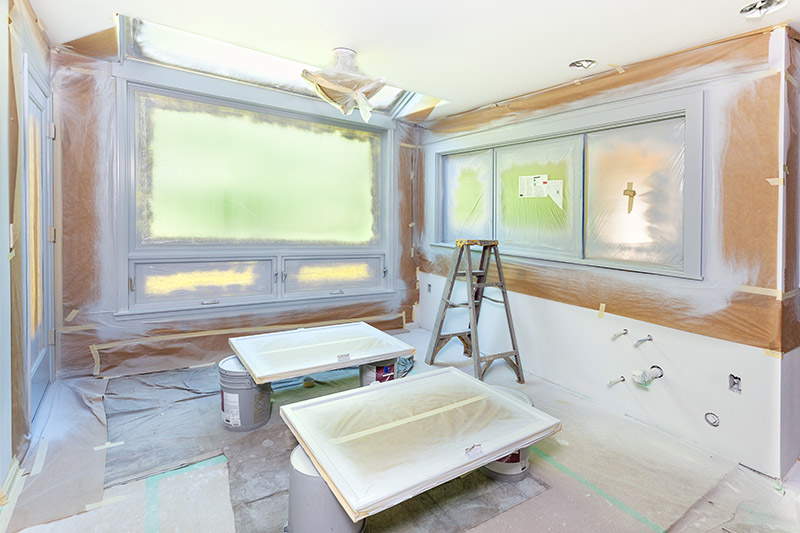
Understanding Rehab Loans for Multnomah County Homes
A rehab loan in Multnomah County combines home financing and approved renovation costs into one mortgage. I’m Michael King, and I help local first-time buyers, veterans, move-up buyers, and investors compare rehab loans with traditional financing based on the property, project, and current 2026 guidelines.
Key Takeaways
- Combined financing: A rehab mortgage can finance an eligible purchase or refinance along with approved improvements.
- Future value matters: The appraisal generally considers the home’s expected value after the planned work is completed.
- Program choices vary: FHA, conventional, VA-related, and investor renovation programs have different occupancy and property rules.
- Detailed planning is required: Contractor bids, specifications, permits, and a realistic construction schedule are important parts of underwriting.
- Funds are controlled: Renovation money is normally held in an escrow account and released through documented draws.
- Extra time is normal: A rehab loan generally takes longer than a standard mortgage because the project must also be reviewed.
Common Questions About Rehab Loans
Rehab loans are designed for properties that need approved repairs or improvements, but the exact rules depend on the selected program.
- What is a rehab mortgage? It is financing that combines the home’s purchase or eligible refinance with renovation costs. This can reduce the need to arrange a separate personal loan or line of credit after closing.
- Who may use a rehab program? First-time buyers, repeat buyers, and veterans may have owner-occupied choices, while investors need a program that specifically permits non-owner-occupied property. Eligibility still depends on credit, income, assets, property condition, and current guidelines.
- How is the renovation amount established? The lender reviews your contractor’s itemized bid, required contingency reserve, eligible fees, and an appraisal based on the completed project. The supported future value and applicable loan limits can affect the final amount.
- Can I complete the repairs myself? Most programs expect work to be completed by an approved, properly licensed contractor. Limited self-help work may be allowed under certain guidelines, but it normally requires additional documentation and is not available with every rehab loan.
- Do I need to choose a contractor before closing? Yes, you will generally need an accepted contractor and detailed scope of work before final approval. The contractor may also need to provide licensing, insurance, references, and financial information.
- Is an FHA 203(k) the same as a regular FHA loan? No. Both use FHA financing standards, but a 203(k) adds renovation review, repair escrow, draw procedures, and completion requirements. You can review the broader FHA home loan guidelines when comparing the two.
- How long does a rehab loan take? Closing often takes longer than a standard purchase because bids, plans, contractor documents, and the after-improved appraisal must be reviewed. The renovation itself then follows a separate completion schedule established by the program.
- Can a veteran finance renovations? Certain VA renovation choices may be available, although lender participation and permitted work can be more limited. Veterans should compare those choices with a standard VA purchase loan before deciding.
How Rehab Loans Work
A successful rehab loan starts with the financing plan and construction plan being reviewed together. Lets run some numbers before you make an offer so you understand the likely payment, cash requirement, and renovation budget.
- Review your finances and goals: I review your income, credit, assets, debts, occupancy plans, and expected improvements. This helps identify whether an FHA, conventional, VA-related, or investor rehab program may be appropriate.
- Set a practical purchase range: Your budget must account for the purchase price, renovation costs, contingency funds, and eligible fees. I also compare the estimated completed value with your total proposed financing so you do not build a plan around unsupported value.
- Select an eligible property: You find a property whose condition and intended use meet the program rules. Health, safety, structural, title, zoning, or utility issues may need additional review before the loan can proceed.
- Prepare the scope and contractor bid: Your contractor creates an itemized description of labor, materials, permits, and timing. Vague allowances such as “remodel kitchen” are generally not enough; underwriting needs costs connected to specific work.
- Complete appraisal and underwriting: The appraiser reviews the plans and estimates the property’s value subject to completion. Underwriting then evaluates you, the property, the contractor, and the project under current requirements.
- Close and establish the renovation escrow: The purchase closes, but repair funds are not usually handed directly to you. They are placed in a controlled account and released after documented work, inspections, and draw requests.
- Finish and document the improvements: Your contractor completes the work within the required period, while inspections confirm progress. A final inspection, lien documentation, and any required permit signoffs are generally needed before the remaining funds are released.
When a Rehab Mortgage May Make Sense
A rehab mortgage may be a good fit when you can find the right location but the available home needs meaningful work. It can work well for a first-time buyer considering an older home, a move-up buyer wanting to change a floor plan, or a veteran comparing renovation financing with regular VA options. In my experience, borrowers have a smoother process when they choose a responsive contractor and make their design decisions before underwriting begins.
You should consider alternatives if you need immediate occupancy, have little room for cost overruns, or do not want to manage contractors and inspections. A regular mortgage may be simpler for light cosmetic work you can pay for separately. Major additions or ground-up projects may call for a construction home loan, while a short-term resale project may be better evaluated under a fix and flip home loan.
Rehab Loan Costs, Fees, and Timing
Rehab financing usually has more project-related expenses and a longer review process than a standard mortgage. In addition to normal closing costs and any required down payment, you may have appraisal, inspection, title, permit, consultant, draw administration, and renovation escrow fees. FHA 203(k) financing can allow 3.5% down for an eligible purchase, while conventional and investor requirements vary by occupancy, loan size, credit, and current guidelines.
Here is what I can offer you: a side-by-side estimate using the same purchase price and repair plan. For example, on a $500,000 purchase with $75,000 of approved renovations, the starting project is $575,000 before required contingency funds and eligible finance charges are considered. A 10% contingency on the $75,000 scope would add $7,500 to the renovation budget, although the required percentage and financing treatment depend on the program.
| Feature | Rehab Mortgage | Standard Mortgage |
|---|---|---|
| Down payment | Varies by program; FHA may allow 3.5% | Varies by conventional, FHA, or VA guidelines |
| Property valuation | Often based on planned completed condition | Generally based on current condition |
| Additional fees | May include consultant, draw, inspection, and escrow fees | Usually no renovation administration fees |
| Interest rate | May price differently due to added project administration | Traditional programs may offer more favorable terms |
| Closing timeline | Often longer because plans and contractor documents are reviewed | Usually less project documentation |
| Repair funds | Held in escrow and released in draws | Not included in the mortgage |
In my experience, a complete contractor package can save considerable review time, while missing bids or permit questions can extend closing. Final rates, costs, and timelines depend on your application, property, and market conditions when you apply.
Common Rehab Loan Mistakes to Avoid
The most common rehab loan problems come from an incomplete budget, an ineligible contractor, or plans that do not support the requested financing.
- Using a vague contractor proposal: A one-page estimate without labor, materials, quantities, and permit costs may be returned for clarification. Ask for a room-by-room or trade-by-trade scope before appraisal.
- Spending the contingency reserve in advance: Contingency money is intended for legitimate surprises, not upgrades added after closing. If concealed water damage is found behind a bathroom wall, the draw process may require an inspection and approved change order before funds are released.
- Assuming every improvement adds equal value: Your personal renovation budget may exceed what comparable sales support. High-end finishes in an entry-level neighborhood do not necessarily produce a dollar-for-dollar increase in appraised value.
- Changing contractors late in the process: A replacement contractor may require a new review, revised bid, insurance documents, and updated timeline. That change can affect approval or closing even when the total cost stays the same.
- Ignoring permits and property use: Converting a basement into living space or adding a unit without confirming zoning and permit requirements can create appraisal and lending problems. Verify legal use before including that space in projected value or rental income.
- Opening new credit before closing: Financing appliances, a vehicle, or renovation materials can change your debt ratio and available cash. Check with me before taking on a new monthly obligation.
Local Rehab Considerations in Multnomah County
Older housing, neighborhood-specific values, and permitting requirements can materially affect a local renovation plan. Homes in Sellwood-Moreland and Alberta Arts may have aging electrical systems, sewer lines, foundations, or additions that require closer review, while East Portland properties can include larger lots, accessory dwelling unit potential, and different comparable-sale patterns. Portland’s concentration of healthcare workers, public-sector employees, construction trades, and technology professionals also creates varied income and occupancy scenarios.
Permits through the City of Portland or another local jurisdiction can influence both cost and scheduling, particularly for structural changes, electrical service upgrades, seismic work, or added living space. Contractor availability and Oregon’s wet-season conditions may also affect exterior work. No surprises later means confirming permits, bids, zoning, and realistic completion dates before the loan reaches final underwriting.
Ready to Explore Your Rehab Loan?
I can help you compare the renovation budget, financing structure, and property requirements before you commit to a fixer. Get started with Michael King (NMLS #274357) today by using the Get Started link. I will walk through the trade-offs with you and explain which documents will likely be needed, without assuming one rehab program is right for every property.
This is educational content and not financial advice. Loan programs and guidelines can change. Talk with a licensed mortgage professional about your specific scenario.
Surf our website to learn about our company, see our loan programs, and request a free consultation.
Get started today!
Fill out the questionnaire on this page to start a discussion about your mortgage needs today!